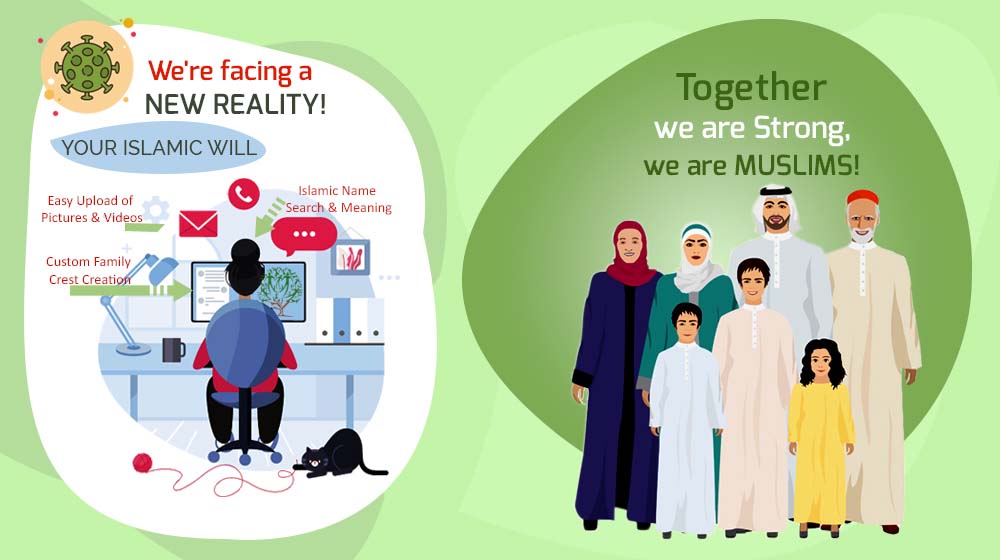
Every family holds a story waiting to be told, remembered, and passed down. In Islamic tradition, knowing where you come from is far more than a simple matter of curiosity—it is a deeply rooted responsibility and a cherished value. Our faith places immense emphasis on lineage (
Nasab) and maintaining the ties of kinship (
Silat al-Rahim). Yet, in a fast-paced world where families are often spread across continents, keeping those connections alive can feel challenging.
That is precisely why
Islamic Family Tree was created. It serves as a dedicated, private space designed to help you trace your roots, document precious memories, and build a lasting bridge between past, present, and future generations.

Quick Summary: Preserving Your Lineage in Islam
- What is Islamic Family Tree? A specialized digital platform (islamicfamilytree.com) built to help Muslim families visualize their ancestry, document historical records, and honor Islamic genealogical traditions.
- Why does lineage matter in Islam? Islam explicitly commands believers to uphold ties of kinship (Silat al-Rahim) and safeguard lineage (Nasab), ensuring heritage, identity, and family obligations remain intact.
- How do you get started? Begin with your immediate family, interview elders for oral histories, add authentic names and dates, and invite relatives to collaborate securely.
The Sacred Value of Kinship and Lineage in Islam
Long before modern genetics or genealogy websites existed, Islamic scholarship treated the preservation of lineage as an essential pillar of society. In Islamic jurisprudence (
Fiqh), protecting
Nasab (lineage) is one of the five fundamental objectives of Islamic law (
Maqasid al-Shariah).
The Prophet Muhammad (peace be upon him) encouraged believers to learn about their ancestry specifically so they could fulfill their duties toward their relatives. He said:
"Learn enough of your lineages to maintain your ties of kinship." — (Tirmidhi)
Knowing who your relatives are is the first step toward honoring them. It informs everything from Islamic inheritance rights (
Mawarith) and social responsibilities to the simple, powerful act of visiting, supporting, and praying for one another. When you build your lineage on
Islamic Family Tree, you are engaging in an act of devotion that honors this timeless tradition.
What Makes Islamic Genealogy Unique?
While generic genealogy tools exist, they often miss the nuanced cultural and spiritual requirements of Muslim families. Islamic family trees carry distinct features that reflect our history and naming conventions:
1. Patronymic Naming Structures
Islamic tradition relies on clear patronymics (
Ibn meaning "son of" and
Bint meaning "daughter of"). Tracking lineage through fathers and grandfathers preserves accuracy and prevents the confusion that often occurs when family names shift across regions or generations.
2. Honoring Noble Lineage (Ahl al-Bayt and Sayyid Traditions)
For millions of Muslims around the world, tracing lineage leads back to the noble household of the Prophet (pbuh) through his daughter Fatima (may Allah be pleased with her) and Ali (may Allah be pleased with him). Preserving these records requires precision, historical clarity, and respect—something standard generic tools are rarely tailored to support.
3. Oral Traditions and Transmitted Memories
In many Muslim communities across the Middle East, South Asia, North Africa, and beyond, family histories were traditionally preserved by word of mouth. Grandparents held mental libraries of five, six, or seven generations of names. As elders pass away, these priceless oral records risk being lost forever unless they are intentionally documented.
How Islamic Family Tree Helps You Rediscover Your Roots
Islamic Family Tree translates these ancient traditions into an intuitive, elegant digital platform. Here is how it empowers you to uncover and organize your family narrative:
1. Simple, Intuitive Visual Mapping
You don't need to be a tech expert or a professional historian to get started. The platform lets you easily add parents, children, siblings, spouses, and extended relatives with a few clicks. The dynamic visual tree expands naturally as you add branches, giving you a clear view of your family's expansive reach.
2. Preserving Stories, Photos, and Documents
A family tree should be more than just a list of names and dates. It should feel alive.
Islamic Family Tree allows you to attach photographs, historical documents, audio recordings of family stories, and personal biographies to individual profiles. You can document:
- Where your ancestors migrated from.
- Notable achievements, scholarly contributions, or community roles.
- Treasured family anecdotes that passed down around dinner tables.
- Photographs of old family homes, handwritten notes, and heirlooms.
3. Collaborative Family History
Genealogy is rarely a solo project. Your aunt might remember exact birth years, while your cousin across the globe might have inherited old family photo albums.
Islamic Family Tree enables secure collaboration, allowing you to invite relatives to contribute their own knowledge, upload pictures, and fill in missing branches together.
4. Privacy and Security First
Family history is personal and deeply private. Unlike open-source public registries where personal data can be exposed or altered by strangers,
Islamic Family Tree prioritizes strictly controlled privacy settings. Your family tree belongs exclusively to you and the relatives you explicitly invite.
Bridging the Distance Between Generations
Modern life has dispersed many families across continents. Children growing up today in London, Toronto, or Houston may feel disconnected from their roots in Cairo, Lahore, Istanbul, or Jakarta.
When young people can look at a visual representation of their lineage, see the faces of their great-grandparents, and read about their life journeys, something fundamental changes. They develop a deeper sense of grounding and identity. They realize they are part of a continuous chain of faith, resilience, and love that stretches back centuries.
Building your tree on
Islamic Family Tree creates a permanent gift for your children and grandchildren. It ensures that no matter how far across the globe your family spreads, everyone retains a strong, clear sense of home.
A Step-by-Step Guide to Getting Started
Beginning your genealogical journey is simple when approached step by step:
- Start with Yourself and Your Immediate Household
Log onto islamicfamilytree.com and enter your name, spouse, children, and parents. This forms the central trunk of your tree.
- Engage Your Elders
Sit down with your parents, grandparents, aunts, and uncles. Ask them open-ended questions about their childhoods, their parents' full names, original hometowns, and family trade traditions. Record these conversations whenever possible.
- Organize Documents and Records
Look through old photo albums, birth certificates, passports, or family journals. Upload digital copies directly to the corresponding profiles on your tree.
- Invite Relatives to Collaborate
Send secure invites to family members near and far. Encourage them to verify dates, add missing siblings, and upload their own photos.
- Revisit and Expand Regularly
Treat your family tree as an ongoing project. Add new births, weddings, and memorable milestones as your family continues to grow.
Begin Your Heritage Journey Today
Your family history is a sacred trust. The names, sacrifices, and stories of those who came before you deserve to be remembered, honored, and shared. By taking the time to document your lineage today, you fulfill a cherished Islamic value, strengthen your family's ties, and build an enduring legacy for the generations yet to come.
Take the first step in preserving your heritage. Visit
Islamic Family Tree today and begin mapping the story that made you who you are.