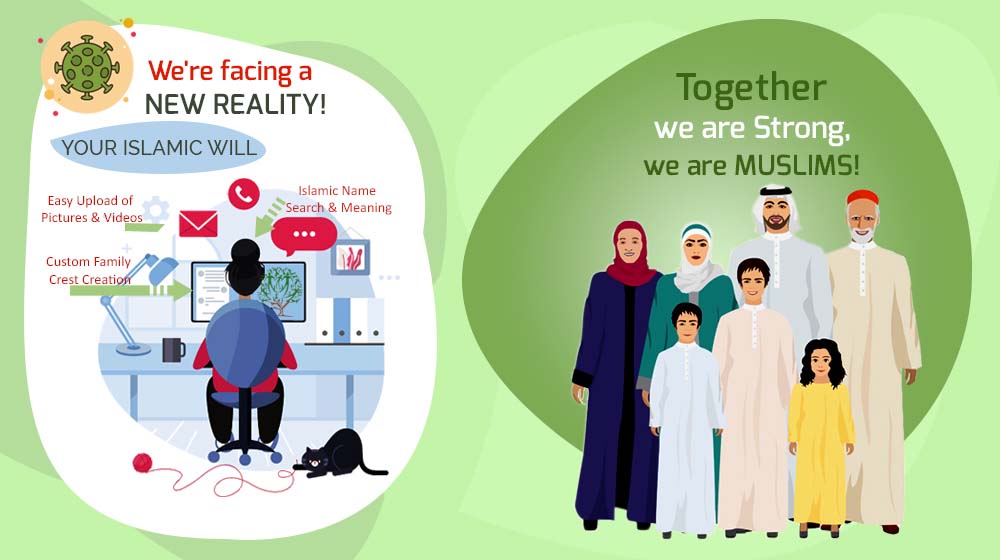
Family is one of the greatest blessings bestowed upon humanity. It is within the family that individuals learn love, compassion, responsibility, and moral values. Islam places great emphasis on protecting the family unit, which encompasses parents, siblings, spouses, children, as well as extended relatives. Strong families create strong communities, and strong communities contribute to a healthy and harmonious society.
From the earliest teachings of Islam, believers have been encouraged to maintain family ties, honor parents, care for children, respect spouses, and support relatives. These relationships are not merely social obligations; they are acts of worship that bring immense rewards and blessings.
In a world where family bonds often face challenges from busy lifestyles, technology, and changing social dynamics, the guidance of Islam remains a timeless source of wisdom for preserving family unity and strengthening relationships.
Why Does Islam Place Such Great Importance on Family?
Islam views the family as the cornerstone of society. A stable family environment nurtures emotionally, spiritually, and morally responsible individuals. When family relationships are healthy, communities flourish. Conversely, when family ties weaken, social problems often increase.
The Islamic approach to family life is built upon mutual respect, compassion, responsibility, and kindness. Every family member has rights and duties that help maintain balance and harmony within the household.
The family unit provides:
- Emotional support during difficult times
- Moral and spiritual guidance
- Protection and security
- A sense of belonging and identity
- Opportunities for personal growth and development
By strengthening family bonds, Muslims contribute not only to their own well-being but also to the well-being of future generations.
Honoring Parents: A Sacred Responsibility
Among all family relationships, Islam gives special importance to honoring parents. Parents dedicate their lives to raising, nurturing, and supporting their children. Their sacrifices often go unnoticed, yet Islam teaches believers to recognize and appreciate these efforts.
Showing kindness to parents includes:
- Speaking respectfully
- Assisting them when needed
- Being patient with them
- Making dua for them
- Caring for them in old age
Respect for parents is not limited to childhood. It remains a lifelong obligation. Even after their passing, children can continue to honor them through prayers, charity, and maintaining good relations with relatives and friends connected to them.
A society that values and respects its elders preserves wisdom, experience, and compassion across generations.
The Role of Spouses in Building a Strong Family
Marriage is one of the most important institutions in Islam. It provides a framework for companionship, emotional support, and mutual growth. A successful marriage is built on trust, understanding, communication, and mercy.
Healthy marriages contribute significantly to family stability. Spouses are encouraged to:
- Treat one another with kindness
- Resolve disagreements peacefully
- Support each other's goals
- Show appreciation and gratitude
- Work together in raising children
No marriage is free from challenges. However, patience, forgiveness, and sincere communication can help couples navigate difficulties and strengthen their bond over time.
When spouses fulfill their responsibilities with love and respect, they create a nurturing environment where children can thrive.
Raising Children with Love and Guidance
Children are among the greatest trusts entrusted to parents. Their upbringing shapes the future of families, communities, and society as a whole.
Islam encourages parents to provide children with:
Emotional Support
Children need love, attention, encouragement, and understanding. A nurturing environment helps them develop confidence and emotional resilience.
Moral Education
Teaching honesty, kindness, respect, and responsibility helps children build strong character and make wise decisions throughout their lives.
Spiritual Development
Introducing children to faith, prayer, gratitude, and good conduct helps establish a strong moral foundation that guides them as they grow.
Positive Role Models
Children often learn more from actions than words. Parents who demonstrate integrity, patience, and compassion set powerful examples for future generations.
When children are raised with love and guidance, they are more likely to become responsible adults who contribute positively to society.
The Importance of Sibling Relationships
Brothers and sisters often share a unique bond that lasts a lifetime. Sibling relationships can provide companionship, emotional support, and a sense of belonging.
Islam encourages siblings to:
- Support one another during hardships
- Avoid jealousy and rivalry
- Forgive mistakes
- Maintain regular communication
- Celebrate each other's successes
Strong sibling relationships create lasting family unity and strengthen the support network available to every family member.
Even when disagreements arise, maintaining respect and affection helps preserve harmony within the family.
Maintaining Ties with Extended Family
Family in Islam extends beyond the immediate household. Grandparents, aunts, uncles, cousins, nieces, nephews, and other relatives all play valuable roles within the broader family structure.
Maintaining relationships with extended family offers numerous benefits:
- Preserving family history and heritage
- Strengthening social support systems
- Creating opportunities for mutual assistance
- Building stronger community connections
- Passing values from one generation to the next
Visiting relatives, checking on their well-being, offering help when needed, and staying connected are all meaningful ways to nurture these important relationships.
Strong extended family networks often provide emotional and practical support during life's challenges.
Family as a Source of Emotional Well-Being
One of the greatest benefits of strong family relationships is emotional well-being. Families provide comfort during difficult moments and celebrate achievements during joyful times.
Research consistently shows that individuals with healthy family relationships often experience:
- Greater emotional stability
- Reduced feelings of loneliness
- Improved resilience during challenges
- Stronger social connections
- Enhanced overall well-being
Islam's emphasis on family harmony aligns with these benefits by encouraging compassion, forgiveness, patience, and understanding within family relationships.
Challenges Facing Families Today
Modern families face unique challenges that can strain relationships and weaken family bonds.
Some common challenges include:
Busy Schedules
Work commitments, school responsibilities, and daily demands often reduce quality family time.
Digital Distractions
Technology can sometimes limit meaningful face-to-face interaction among family members.
Financial Pressures
Economic challenges may create stress that affects family relationships.
Generational Differences
Different perspectives between younger and older family members can lead to misunderstandings.
Addressing these challenges requires intentional effort, open communication, and a commitment to maintaining strong family connections.
Practical Ways to Strengthen Family Bonds
Building a strong family does not require grand gestures. Small, consistent actions often make the greatest difference.
Consider these practical strategies:
- Share regular family meals
- Spend quality time together without distractions
- Listen actively and respectfully
- Express appreciation frequently
- Support family members during difficult times
- Resolve conflicts calmly and fairly
- Stay connected with extended relatives
- Encourage mutual respect among all family members
These habits help create a positive family environment where trust and affection can flourish.
The Lasting Impact of Strong Families
Strong families leave a lasting legacy that extends far beyond a single generation. Values learned within the home often influence future families, communities, and societies.
When family members treat one another with kindness, respect, and compassion, they contribute to a culture of care and responsibility that benefits everyone around them.
The teachings of Islam regarding family life remain as relevant today as ever. By protecting family relationships and nurturing strong bonds, individuals help create a foundation for personal happiness, community strength, and social harmony.
Conclusion
Islam places great emphasis on protecting the family unit because it serves as the foundation of a healthy and successful society. Parents, spouses, children, siblings, and extended relatives all have important roles in creating an environment of love, support, and mutual respect.
By honoring parents, nurturing marriages, guiding children, strengthening sibling relationships, and maintaining ties with relatives, families can build lasting bonds that benefit generations to come.
In a rapidly changing world, the timeless principles of compassion, responsibility, and family unity continue to offer valuable guidance. Strong families are not built overnight, but through consistent acts of kindness, understanding, and care. When these values are embraced, families become a source of strength, stability, and blessing for everyone involved.